Expert Witness Services

The AI Expert Witness Who Speaks Both Languages

When litigation turns on what an AI system did—or what a professional using one should have done—courts need an expert who understands the technology and the courtroom. Chase Hardy is a practicing Texas trial lawyer who has run large language models in real casework since 2021, before ChatGPT existed. He explains how these systems work, and where they fail, in language judges and juries actually understand.

Licensed Texas Trial Attorney Published in the Texas Bar Journal State Bar Emerging Technologies Committee Available Nationwide
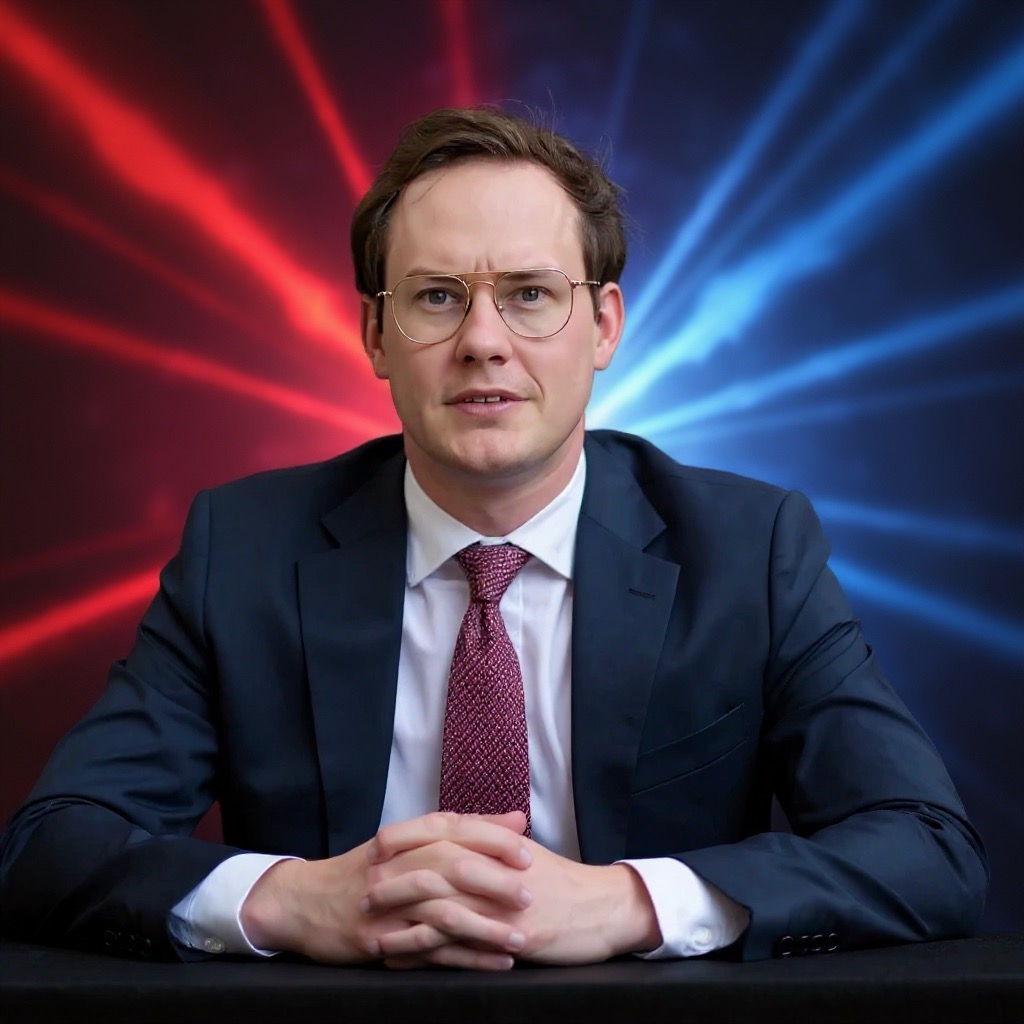
Chase Hardy, AI expert witness and Texas trial attorney
Chase Hardy, J.D. AI Expert Witness & Trial Attorney · San Antonio, Texas
2021
Implementing AI before ChatGPT's release
40+
CLE presentations on AI to legal audiences
2
Texas Bar Journal articles on AI
50K+
Lawyers reached through his publications

AI disputes are no longer hypothetical. Sanctions for hallucinated citations, malpractice claims over unverified AI work product, contested AI-generated evidence, and autonomous agents acting beyond their authority are already in courtrooms. The question is whether your expert can make a jury understand what happened.

Areas of Expertise

Testimony grounded in daily, hands-on use of frontier systems—Claude, ChatGPT, Grok, Gemini—not just academic familiarity.

AI Hallucinations & Reliability

Why language models fabricate citations, facts, and quotations; the documented error modes of specific systems; and what verification a reasonable user performs. Central to sanctions motions and malpractice claims involving AI-assisted filings.

Standard of Care in AI Use

What a competent professional should have known, disclosed, and verified when using AI at a given point in time—informed by bar guidance including ABA Formal Opinion 512 and evolving industry practice.

Agentic AI & Autonomous Systems

The newest frontier of liability: AI agents that plan and execute multi-step tasks. Who authorized what, which guardrails existed, and where accountability sits when an autonomous system errs. Chase runs these harnesses daily in his own practice.

AI-Generated Content & Evidence

Authentication disputes over synthetic text, audio, images, and video; the realistic capabilities of generative systems; and whether contested material is plausibly machine-generated.

Data Privacy & Confidentiality

How AI providers handle inputs, training data, and retention; confidentiality and privilege implications of feeding sensitive material to third-party models; and enterprise controls that were—or were not—in place.

Vendor & Implementation Disputes

Whether an AI product performed as represented; industry standards for deployment, testing, and human oversight; and the reasonableness of reliance on vendor claims in commercial disputes.

Litigation Contexts Where Chase Assists

Engagements for plaintiffs and defendants alike—the analysis is the same; the facts decide the rest.

01

Professional Negligence & Malpractice

Claims that a lawyer, physician, accountant, or other professional misused AI—or failed to use it competently. Chase testifies on what the technology could and could not do at the relevant time, and what verification the standard of care required.

02

Sanctions & Hallucinated Citations

Court filings containing fabricated authority raise questions courts are still learning to frame: how hallucinations happen, whether the conduct was reckless or merely negligent, and what safeguards would have caught the error.

03

Commercial & Vendor Disputes

Contract actions over AI products that allegedly underperformed, misrepresented capabilities, or caused downstream harm—including disputes over service levels, accuracy warranties, and fitness for purpose.

04

Intellectual Property

Ownership and infringement questions around AI-generated works, training-data provenance, and the boundary between human authorship and machine output.

05

Employment & Algorithmic Decisions

Hiring, promotion, and termination decisions influenced by AI tools—what the system actually evaluated, what its operators knew, and whether human review was meaningful or rubber-stamp.

06

Evidence Authentication

Challenges to the genuineness of documents, recordings, and images in an era when convincing synthetic media can be produced in minutes.

Why Legal Teams Choose Chase

Most AI experts are academics who have never faced a jury, or technologists who have never read a rule of evidence. Chase bridges both worlds.

Technical Expertise

Documented, hands-on, and current.

  • AI implementation pioneer: using large language models in live casework since 2021, before ChatGPT's public release
  • Daily practitioner: runs frontier models—Claude Fable 5, GPT-5.6 Sol, and agentic harnesses—in real legal workflows, not demos
  • Published authority: two Texas Bar Journal articles on AI, distributed to 50,000+ lawyers
  • Deep model literacy: training, context windows, retrieval, hallucination mechanics, and the limits of each
  • Verification workflows: designs the citation-checking and human-review protocols he testifies about

Courtroom Credibility

An expert who has sat at counsel table.

  • Licensed Texas trial attorney with an active litigation practice—he knows what survives cross-examination
  • Appointed by the State Bar of Texas President to the Emerging Technologies Committee
  • 40+ CLE presentations translating AI for bar associations and judicial audiences nationwide
  • Plain-English communicator: proven ability to make technical concepts land with non-technical decision-makers
  • Understands evidentiary standards: reports and testimony built for admissibility, not just accuracy

How an Engagement Works

Structured, confidential, and built around your litigation calendar.

1

Confidential Case Evaluation

A conflicts check and candid early read: whether the AI issues in your case are strong, weak, or better resolved before an expert is disclosed.

2

Technical Analysis

Examination of the systems, prompts, outputs, logs, and policies at issue—including replication of the AI behavior in question where possible.

3

Expert Report

Clear, defensible written opinions that explain the technology precisely and survive Daubert scrutiny, drafted by someone who has read a thousand expert reports as counsel.

4

Deposition & Trial Testimony

Composed, jury-ready testimony—in person or remote, in state and federal courts nationwide.

Frequently Asked Questions

What qualifies you as an AI expert witness?

The combination courts rarely find in one person: documented hands-on use of large language models in professional work since 2021—before ChatGPT's public release—plus publications in the Texas Bar Journal, a State Bar committee appointment on emerging technologies, 40+ CLE presentations to legal audiences, and an active trial practice that keeps every opinion grounded in what actually happens in litigation.

What types of AI cases do you handle?

Professional negligence involving AI-assisted work, sanctions matters over hallucinated authority, AI-generated content and evidence disputes, vendor and contract litigation, employment decisions made by algorithms, data privacy questions, and matters involving agentic AI systems. Coverage spans all major platforms—Claude Fable 5, GPT-5.6 Sol, Grok, Gemini, and open-weight models.

How do you explain complex AI concepts to juries?

The same way he has explained them to more than forty rooms of skeptical lawyers: concrete demonstrations, plain-English analogies, and a refusal to hide behind jargon. An expert who cannot make a jury understand the technology is not useful, no matter how impressive the CV.

Can you address AI-generated evidence and deepfakes?

Yes. Synthetic text, audio, images, and video are now trivially easy to produce, and authentication fights are multiplying. Chase testifies on what generative systems can realistically produce, indicators that material is machine-generated, and the verification standards a reasonable professional should apply before relying on contested media.

What about AI agents that act on their own?

Agentic AI is the next wave of AI litigation—systems that plan and execute multi-step tasks with limited human oversight. Chase uses agentic harnesses daily in his own practice, which means he can tell a court precisely what authorization, guardrails, and human checkpoints a reasonable deployment includes, and where a specific deployment fell short.

Do you testify nationwide?

Yes. In-person appearances, remote depositions, and virtual trial testimony in state and federal matters across the country. Based in San Antonio, Texas.
Discuss Your Case

Every inquiry is confidential and reviewed directly by Chase. A prompt conflicts check comes first; a candid assessment of your AI issues comes second.

Reviewed directly by Chase Hardy. Response within 24 hours.

Thank you for your inquiry.

Chase Hardy will review your case details and respond within 24 hours.